

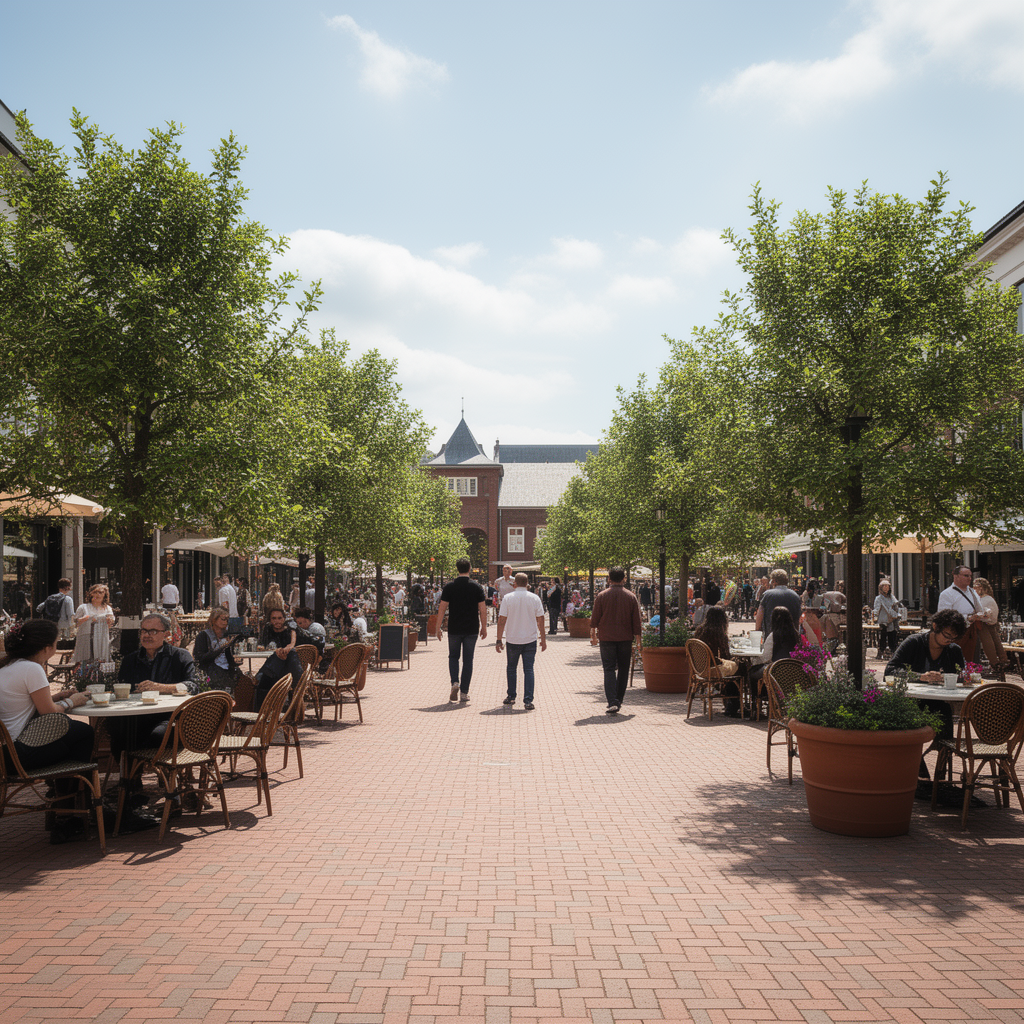
For decades, municipal roadway projects measured success almost exclusively by vehicle throughput and commuter speed. A growing coalition of urban planners, local merchants, and civic advocates is changing that metric by converting vehicle lanes into pedestrian plazas, dedicated transitways, and protected bike paths. The result is safer streets and revitalized commercial districts.
Prioritizing People Over Traffic Flow
Replacing asphalt parking spaces with parklets, outdoor dining seating, and wide walkways changes how residents interact with their local environment. When vehicle traffic speed drops, foot traffic rises dramatically along retail strips. Cities that implemented temporary street closures during recent years are now choosing to make these pedestrian corridors permanent fixtures.
Measuring Economic Benefits for Local Business
Skeptics often express concern that reducing car lanes harms ground-floor retail establishments. However, sales tax data from pedestrianized corridors consistently shows higher retail revenue and longer customer dwell times compared to surrounding arterial roads. People on foot and bicycles stop more frequently at neighborhood stores than drivers navigating busy thoroughfares.
Sustaining Momentum Beyond Initial Pilots
Successful street transformations depend on flexible, modular interventions that test community response before committing capital to heavy construction. Simple additions like painted curb extensions and planters can quickly demonstrate safety benefits while engineers collect traffic data. Embracing human-scaled infrastructure turns ordinary streets into active public destinations.