

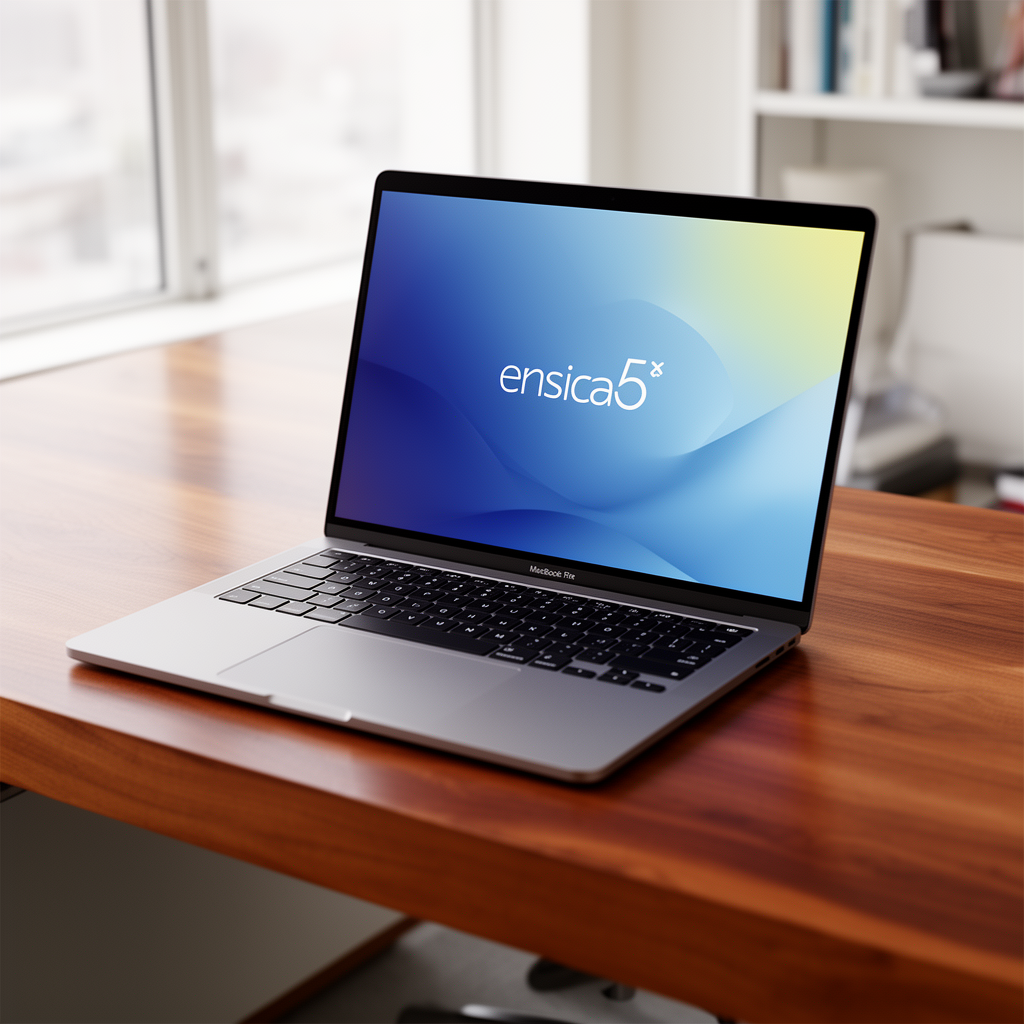
Personal computing is undergoing its most significant structural shift in over a decade as dedicated artificial intelligence hardware becomes standard across laptops and desktops. Rather than relying solely on the central processor and graphics card, modern systems integrate neural processing units designed specifically for low-power matrix math. This hardware architectural evolution changes how laptops balance intense background processing with all-day battery endurance.
Offloading Workloads for Maximum Battery Efficiency
Tasks like real-time background blur during video calls, noise cancellation, image upscaling, and audio transcription used to drain laptop batteries rapidly. By shifting these continuous background tasks to specialized neural chips, primary processor cores can rest in low-power states or focus entirely on heavy software applications. The immediate result is cooler palm rests, quieter cooling fans, and noticeably extended unplugged runtime.
On-Device Processing and Data Privacy
Beyond energy savings, local neural processing keeps sensitive data directly on your device rather than uploading it to cloud servers. Modern productivity tools can analyze documents, summarize lengthy emails, and generate local search indexes completely offline. This shift provides faster response times without latency while giving security-conscious professionals complete peace of mind.
Choosing the Right Hardware Specifications
When evaluating upcoming laptop models, look beyond simple clock speeds and pay attention to total neural performance measured in trillions of operations per second. Ensure the system includes sufficient unified memory, as local intelligent assistant tasks benefit greatly from higher bandwidth. Investing in a future-ready processor architecture guarantees compatibility with upcoming software updates.