
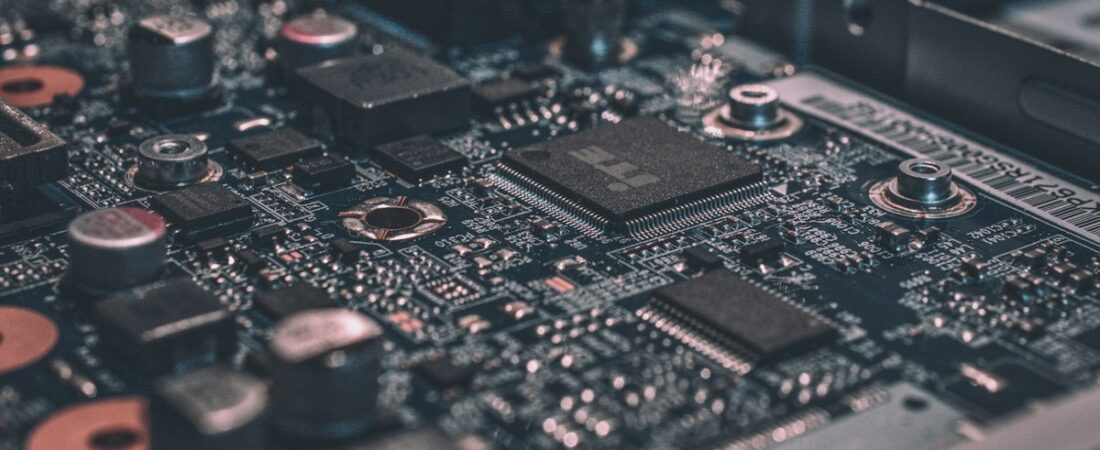
Updated November 2, 2026. The rapid expansion of AI data centres is reshaping demand across the semiconductor supply chain. One pressure point is memory: large AI systems need high-bandwidth memory and substantial server capacity, while consumer devices still depend on conventional DRAM and flash storage. Industry analysts warn that constrained supply and higher component costs could affect the price and configuration of phones, laptops and other electronics.
Why AI infrastructure is changing memory demand
AI accelerators move large volumes of data between processors and memory. High-bandwidth memory (HBM) is designed to provide that throughput, and producing it requires specialised manufacturing and advanced packaging. Data-centre operators are also buying conventional server memory and storage as they expand their systems. When suppliers direct investment and available capacity toward these higher-value markets, other buyers can face tighter supply or higher prices.
TechInsights’ October 2026 industry briefing describes significant memory-cost pressure across consumer devices and reports that long-term supply contracts are playing a larger role in deciding which manufacturers secure components. The Financial Times has also reported that the AI build-out is contributing to a global memory-chip shortage, with knock-on effects for consumer electronics. The scale of the impact varies by memory type, supplier, device category and contract.
What this could mean for phones and PCs
Memory is only one part of a device’s bill of materials, so a rise in DRAM or NAND prices does not translate automatically into an identical increase in the retail price. Manufacturers can absorb some costs, renegotiate supply, change product configurations or pass part of the increase to buyers. Budget products may be especially sensitive because their margins are narrower.
For shoppers, the practical effect may be less generous memory configurations at a given price, fewer discounts, or higher prices on some models. These are possible market responses, not a guarantee that every phone or laptop will become more expensive. Different manufacturers have different supply agreements and inventory positions.
How buyers can make a sensible decision
- Check the exact configuration. Compare RAM and storage capacity, not just the product family name.
- Look at upgrade options. Some laptops allow memory or storage upgrades; many phones and thin laptops do not.
- Compare total value. Consider processor performance, display quality, battery life, support period and warranty alongside memory.
- Avoid panic buying. Forecasts describe market risks, not a fixed price rise for every product. Buy when your current device no longer meets your needs and the offer is good.
What to watch next
Useful signals include quarterly results from major memory suppliers, contract-price trends, new HBM production capacity and device makers’ announced configurations. If supply expands or demand growth slows, pressure could ease. If AI infrastructure spending continues to outpace capacity additions, consumer electronics makers may have to keep balancing component costs against price-sensitive customers.
Sources and further reading
- TechInsights: Chip Observer — October 2026
- Financial Times: “RAMageddon” and the impact of AI on consumer memory supply
SmartTechChoice editorial note: This article explains reported industry trends and their possible implications for buyers. It does not predict the price of any individual product or claim independent component testing.