
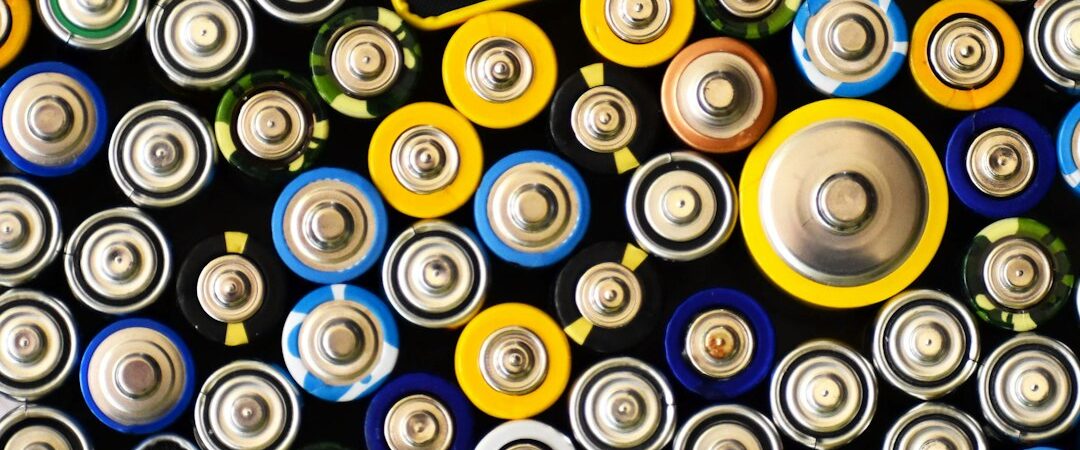
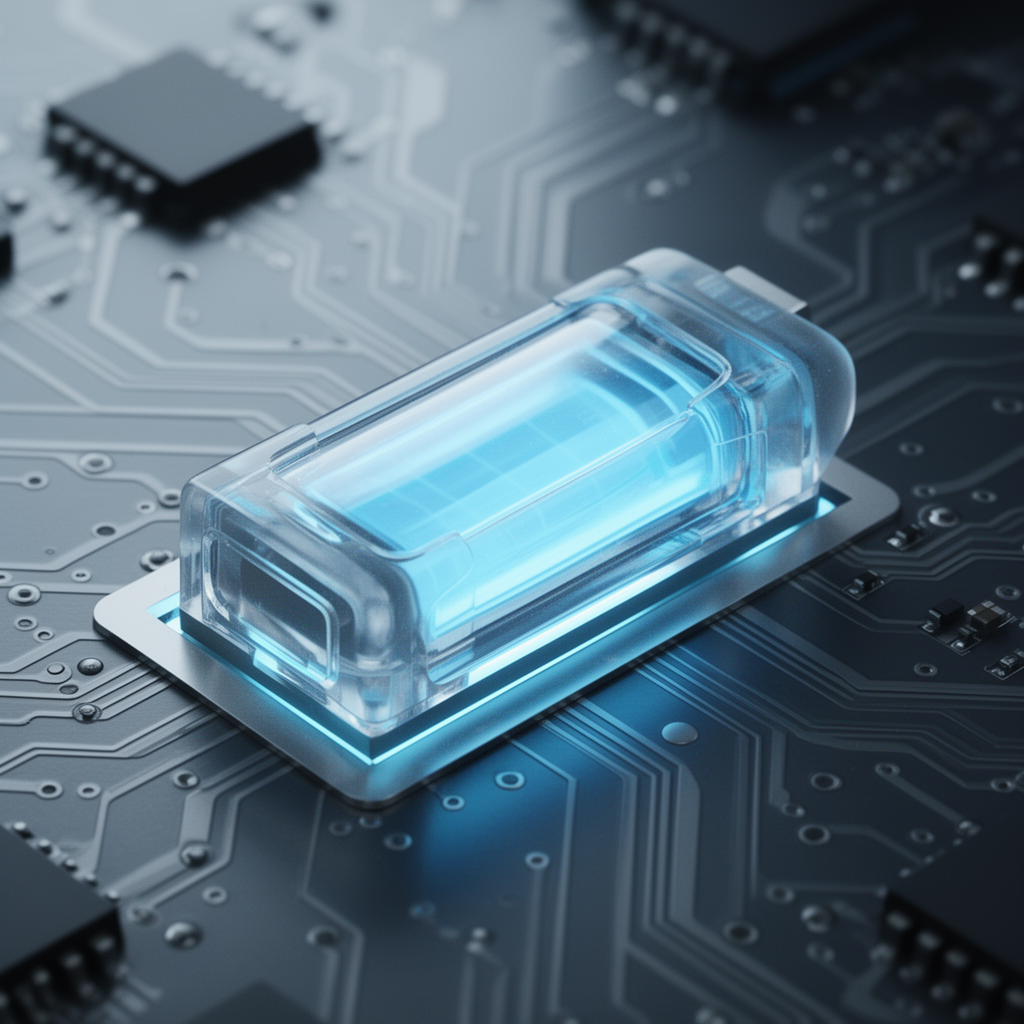
Lithium-ion technology has powered modern smartphones, wearables, and laptops for over two decades, but physical limitations are reaching their ceiling. The consumer electronics industry is now turning toward solid-state batteries, replacing volatile liquid electrolytes with solid ceramic or polymer materials. This shift promises to dramatically improve battery performance across every consumer device category.
Overcoming Silicon Lithium Boundaries
Traditional battery chemistry suffers from energy density constraints, forcing device designers to choose between sleek form factors and all-day battery performance. Solid-state architectures can store significantly more power within the same cubic volume, enabling paper-thin laptops and smartwatches that operate for days on a single charge.
Thermal Stability and Slim Form Factors
Because solid-state batteries lack flammable liquid solvents, they inherently eliminate the risks of thermal runaway and swelling. This safety advantage allows engineers to remove bulky protective armor inside devices, freeing up internal chassis space for advanced processors, larger camera sensors, or additional hardware capabilities without compromising form factor.
The Timeline to Commercial Electronics
While manufacturing scalability remains a challenge, pilot production lines are already yielding specialized components for high-end wearables and medical devices. As yield rates improve over the next few years, solid-state power will become the default standard for premium handheld devices, setting a higher bar for portable energy delivery.