
Centralized power grids have long served as the backbone of national energy infrastructure, but weather disruptions and rising transmission costs are pushing communities to innovate locally. Suburban developments are increasingly adopting self-contained microgrids that generate, store, and distribute electricity independent of main utility lines. This quiet transition is redefining grid reliability for home owners.
Moving Away from Centralized Generation
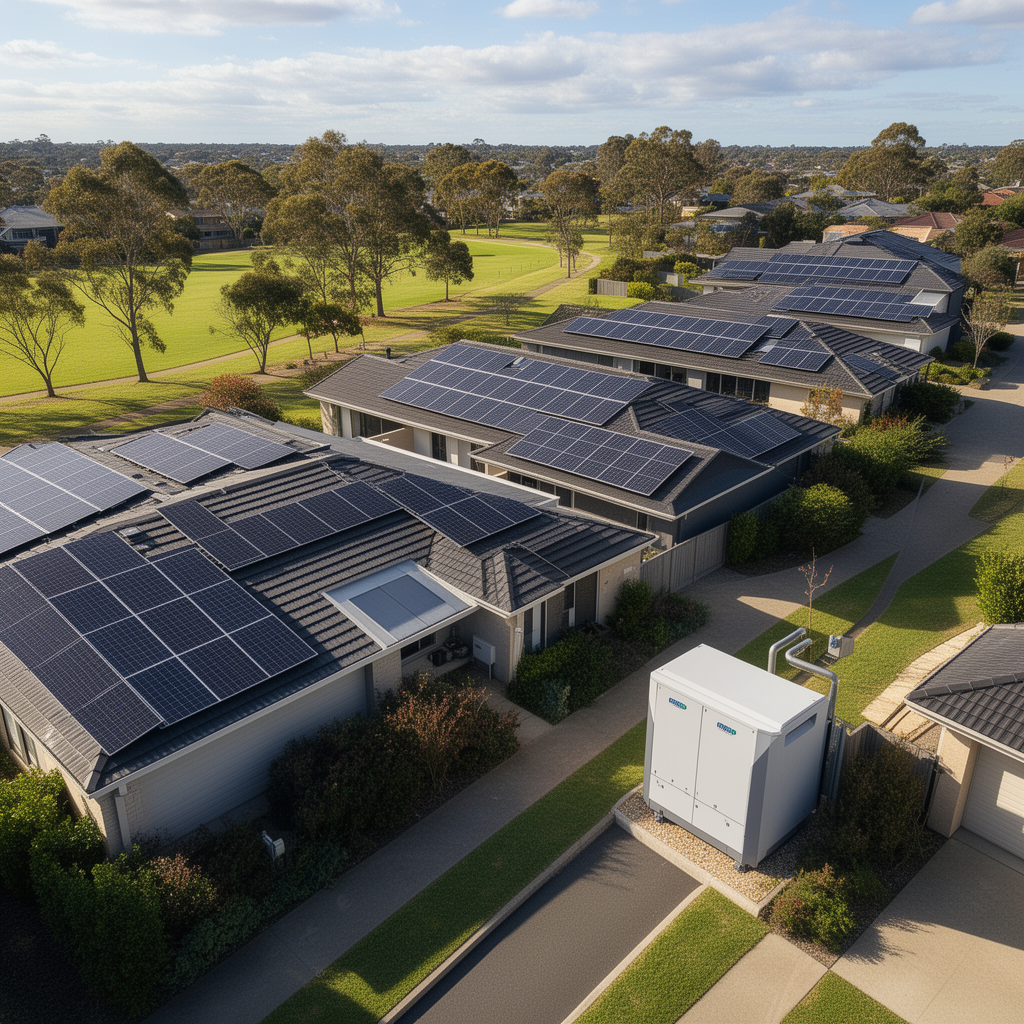
Traditional grid setups lose significant energy over long-distance high-voltage transmission lines before reaching household sockets. Localized solar installations combined with neighborhood battery banks eliminate these transmission losses by consuming power right where it is produced. When regional lines experience voltage drops or equipment failures, connected microgrid neighborhoods seamlessly switch to local reserves without power interruption.
Battery Storage as a Local Shield
Advanced lithium iron phosphate storage containers now allow entire housing complexes to store surplus midday solar energy for evening peak usage. Software platforms automatically balance loads across neighboring households, directing power to where demand spikes unexpectedly. This automated load sharing stabilizes home energy expenses and decreases total reliance on fossil fuel peaking plants.
Challenges Facing Traditional Power Companies
Municipal power companies are adapting to this decentralized model by reshaping their revenue strategies and grid interconnection standards. Instead of acting solely as energy sellers, utilities are evolving into network operators that balance bi-directional energy flows. Communities that invest in resilient microgrid systems gain both energy autonomy and greater protection against extreme climate events.